5 Sound Recording Hacks for filmmakers
 Jordy Vandeput
130K views
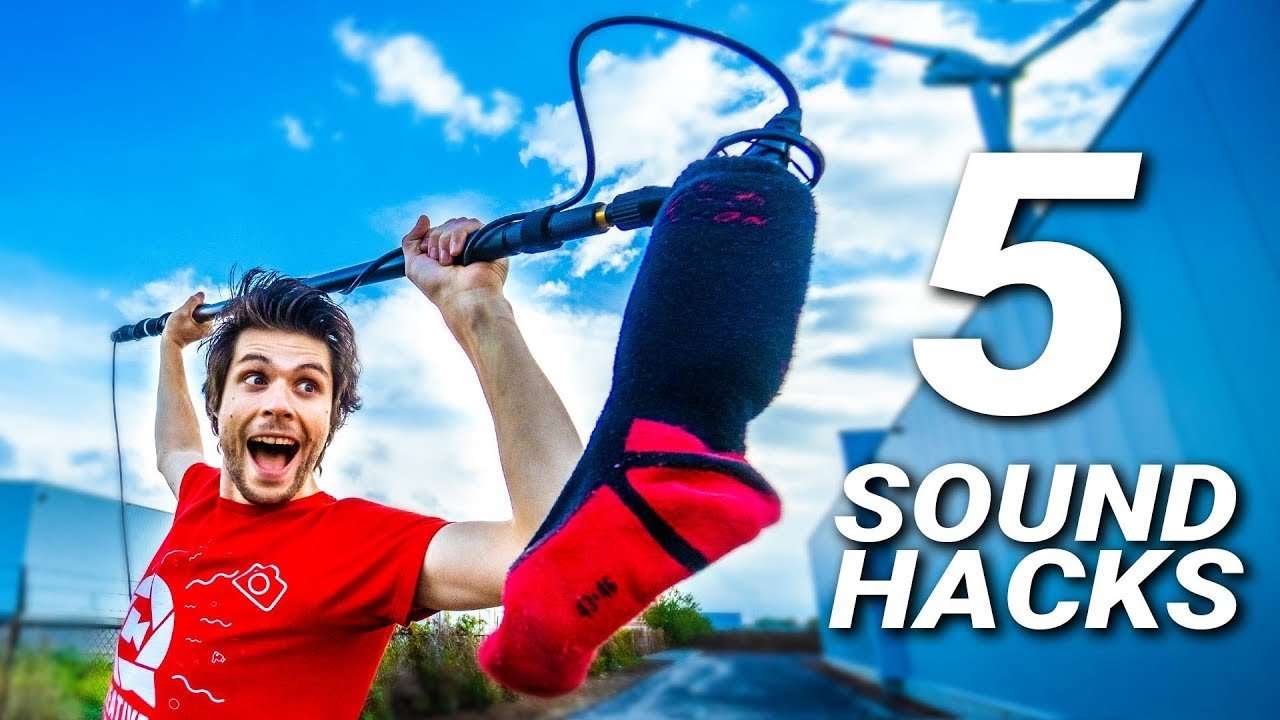
Record perfect audio with these 5 simple hacks. Learn how to sound design, capture warm and crisp sound without expensive equipment. We're using a shotgun microphone, wireless lavaliere set and audio interface from Saramonic.
In today's video we showed you 5 tips around sound design for your videos. We show you the benefits of live sound designing and how it can save so much time. A big difference between doing sound design live or not is the objects you use for the sounds. When doing this live you'll be using the object itself for the sound, for example a horse walking by you'll record the hoofs of the horse hitting the ground. But when doing this after filming you wont get a horse and start recording it walking around because that's not convenient. In this case you'll be using other objects to recreate the sound. In this video you can see foley artist Alyson Moore uses a pair of plungers, stuffs them and tapes them shut to create the sound of a horse running around.
Sometimes it's not even possible to record a certain sound. Like when doing a fight scene, the punches need to be created afterwords because it's not such a smart idea to let your actors beat each other up. Another example is creating sounds for things that don't exist. In this video Matt Davies shows you how he creates sounds for things that don't exist like zombies. It's pretty crazy to see him using a bell pepper to mimic the sound of a skull breaking, who would think such a delicious vegetable could be used for such a horrific sound. This shows us it's possible to create every sound we would ever need with just a little bit of creativity and experimenting.
Personal Workflow
So choosing to record your sound live or afterwards, really depends on what you are trying to create. They both have it's advantages or down sides. I personally record my sound afterwards. This allows me to purely focus on framing, acting and everything else. And afterwards you can really focus on getting good and clean sounds. If you have dialogue, then it's a must to record your sound live. Lip syncing is super hard to do and not something I recommend. And a last thing I want to mention is the movie 'A quite place'. This a horror/thriller movie that uses sound so perfectly. You can see sound as a character from the movie and really sets a tense mood.
The Gear That We Used
Jordy Vandeput
Founder of Cinecom · 2.75M+ subscribers on YouTube
Jordy Vandeput is a Belgian filmmaker who has taught practical filmmaking to millions through Cinecom. He breaks professional techniques down into clear, repeatable steps you can use on your very next project.

2 comments
In the first turtorial were you have the saraminic shotgunmic over each of the actors heads, where did you get the pole or what you call the thing that the mikrophone is hanging from. I am curently bying some stuff, and i dont no where to get one who fits the saramonic shotgunmic.
This is dope